
Keep appliances performing well
Appliance care tips
Simple, regular care helps appliances stay hygienic, efficient and pleasant to use. Always follow the manufacturer’s manual for your model and arrange qualified help for servicing or repairs.
Safe cleaning basics
- Switch off and allow cooking appliances to cool before cleaning.
- Use soft cloths and manufacturer-approved products; abrasive cleaners can damage glass, enamel and stainless steel.
- Deal with spills promptly so they do not bake on, stain or block drainage channels.
- Never remove fixed covers or attempt electrical, gas or refrigeration repairs yourself.
Ovens, hobs and hoods
Wipe ovens after use once cool, clean removable shelves separately and use self-cleaning programmes exactly as instructed. Keep hob surfaces and burner ports clear. Grease filters in cooker hoods need regular cleaning, while charcoal recirculation filters require replacement at the interval stated by the manufacturer.
Dishwashers and washing machines
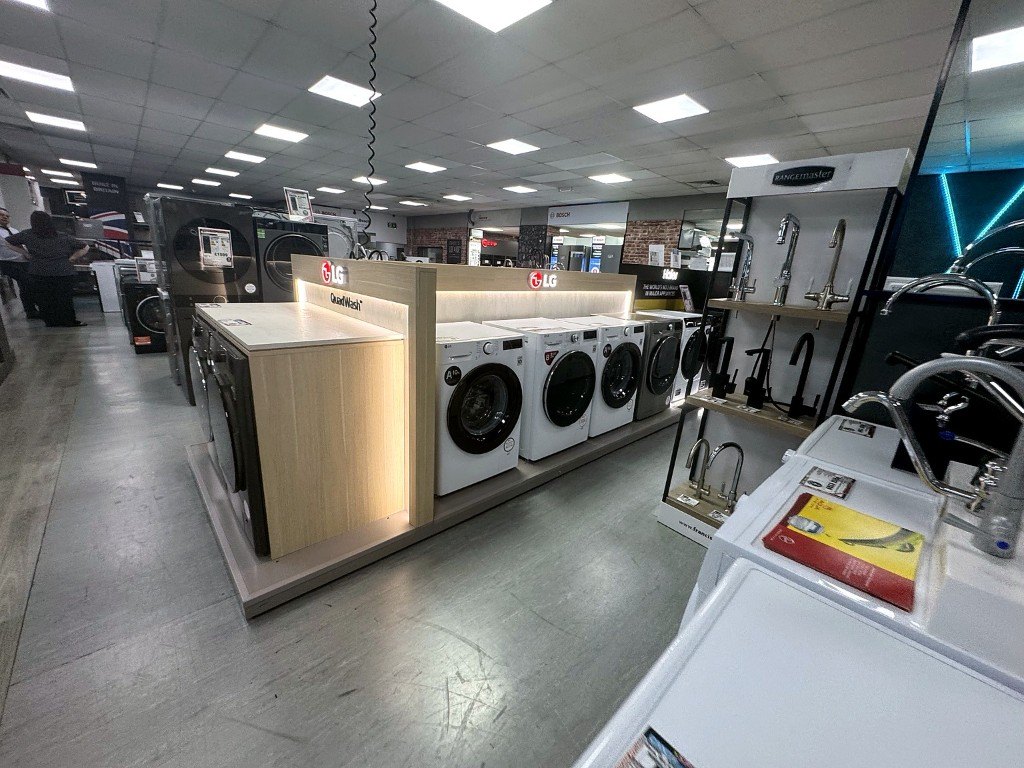
Clean filters regularly, check seals for trapped debris and leave the door slightly open after a cycle when practical. Use the correct detergent and dosage for your water and programme. Run the manufacturer-recommended maintenance cycle and check pockets before washing clothes.
Fridges and freezers
Wipe shelves and door seals with a mild solution, keep food clear of internal air vents and avoid overfilling. Make sure external ventilation openings remain unobstructed. Defrost only where the manual requires it and never use sharp tools to remove ice.
When to ask for help
Stop using an appliance if you notice burning smells, damaged cables, water near electrical parts, repeated tripping, a gas smell or unusual heat. Isolate it only if safe to do so and contact the manufacturer, a qualified engineer or the emergency service appropriate to the fault.
Have your model and serial number ready when requesting support. These are usually shown on the rating plate described in the appliance manual.
